Systematic Synthetic Phonics
Building Confident Readers.
We believe every child can read when taught the right way. Our evidence-based approach turns struggling readers into confident leaders.
Book Assessment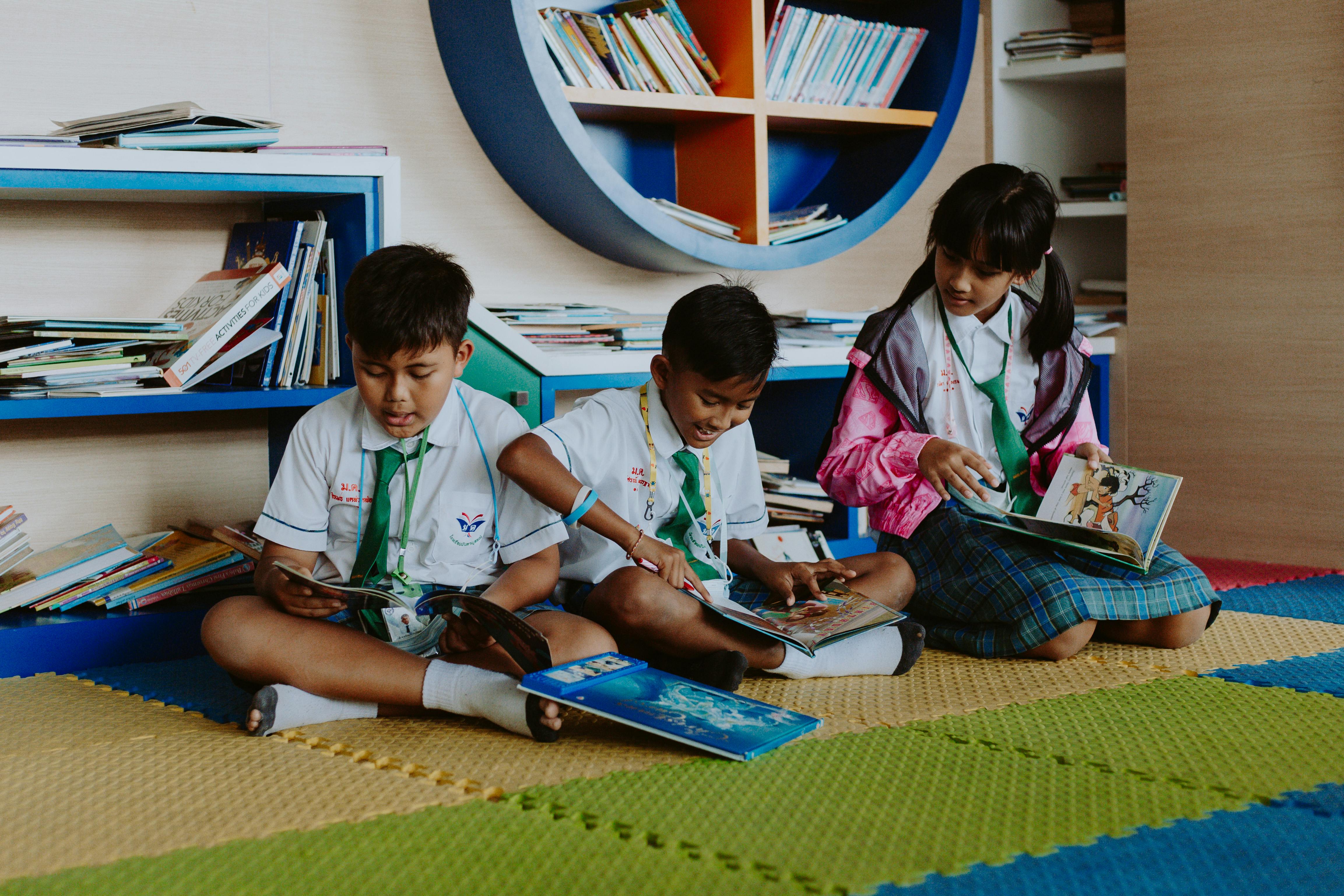
We believe every child can read when taught the right way. Our evidence-based approach turns struggling readers into confident leaders.
Book Assessment
AAKKAM was founded with a singular purpose: to bridge the gap in reading instruction through explicit, structured phonics teaching.
To empower every child with the tools to read confidently and fostering a lifelong love for learning through structured guidance.
A world where no child is left behind in literacy, regardless of their starting point or learning challenges.
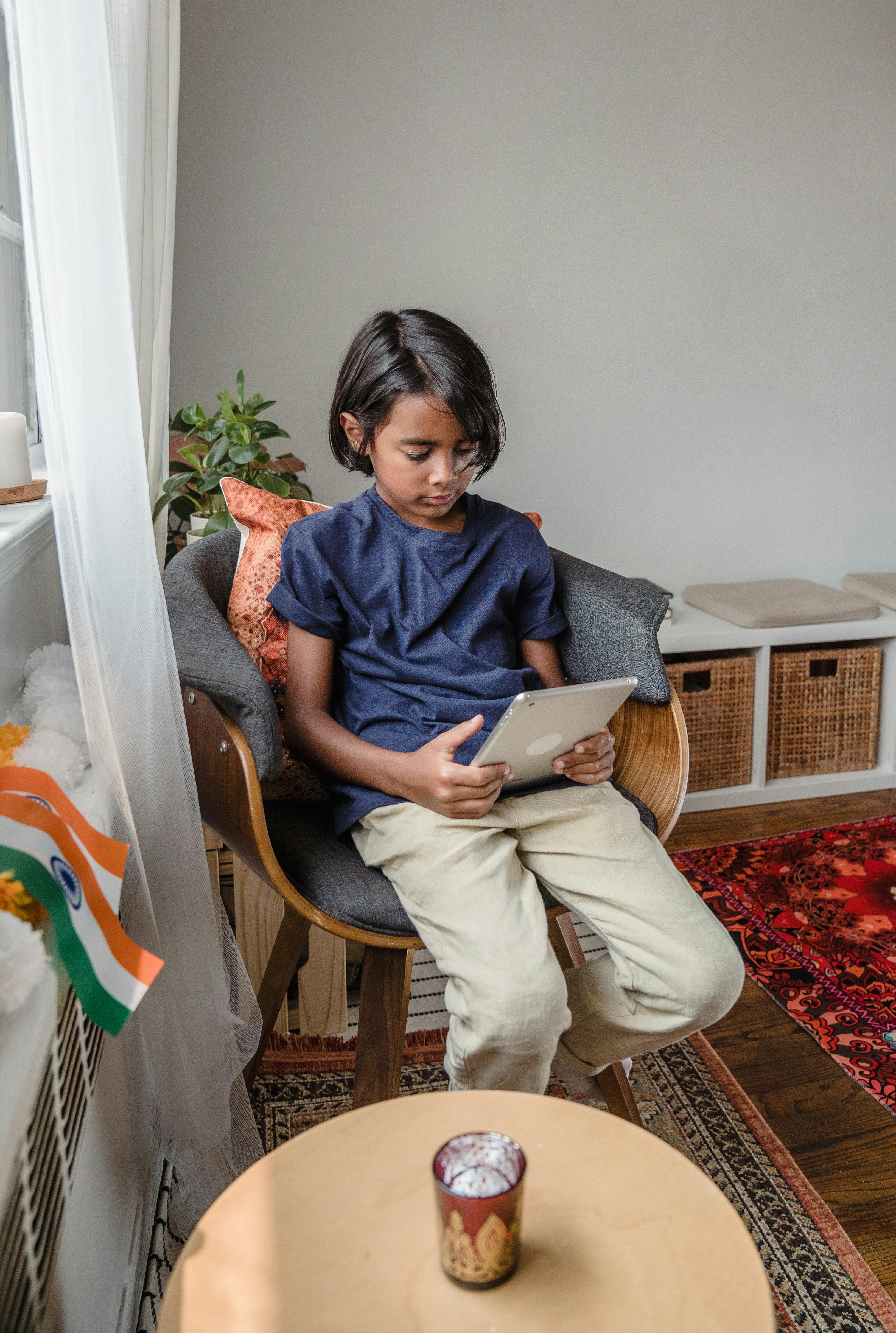
Sound-symbol correspondence, decoding strategies, and CVC word mastery.
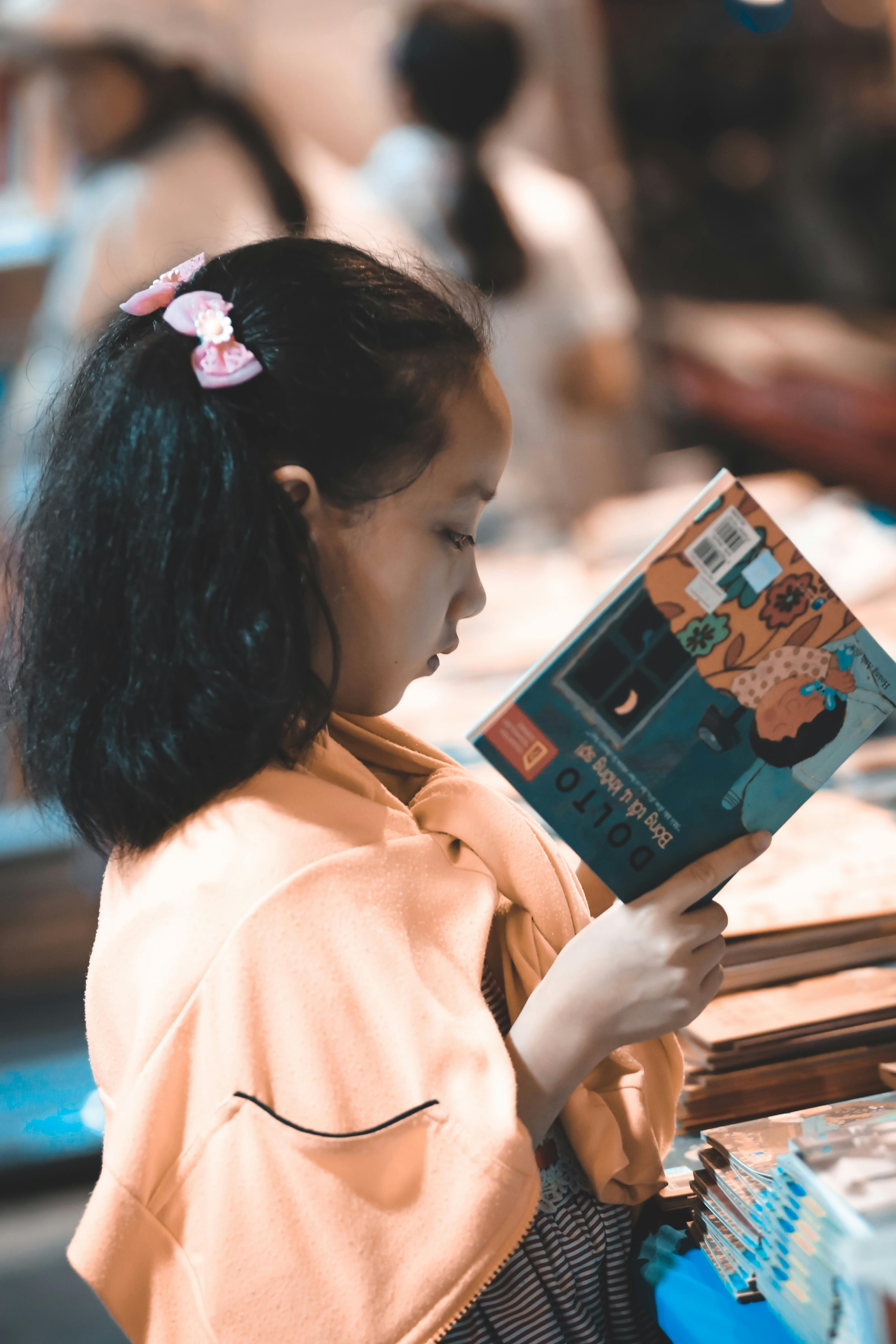
Digraphs, vowel teams, alternative spellings, and reading fluency.
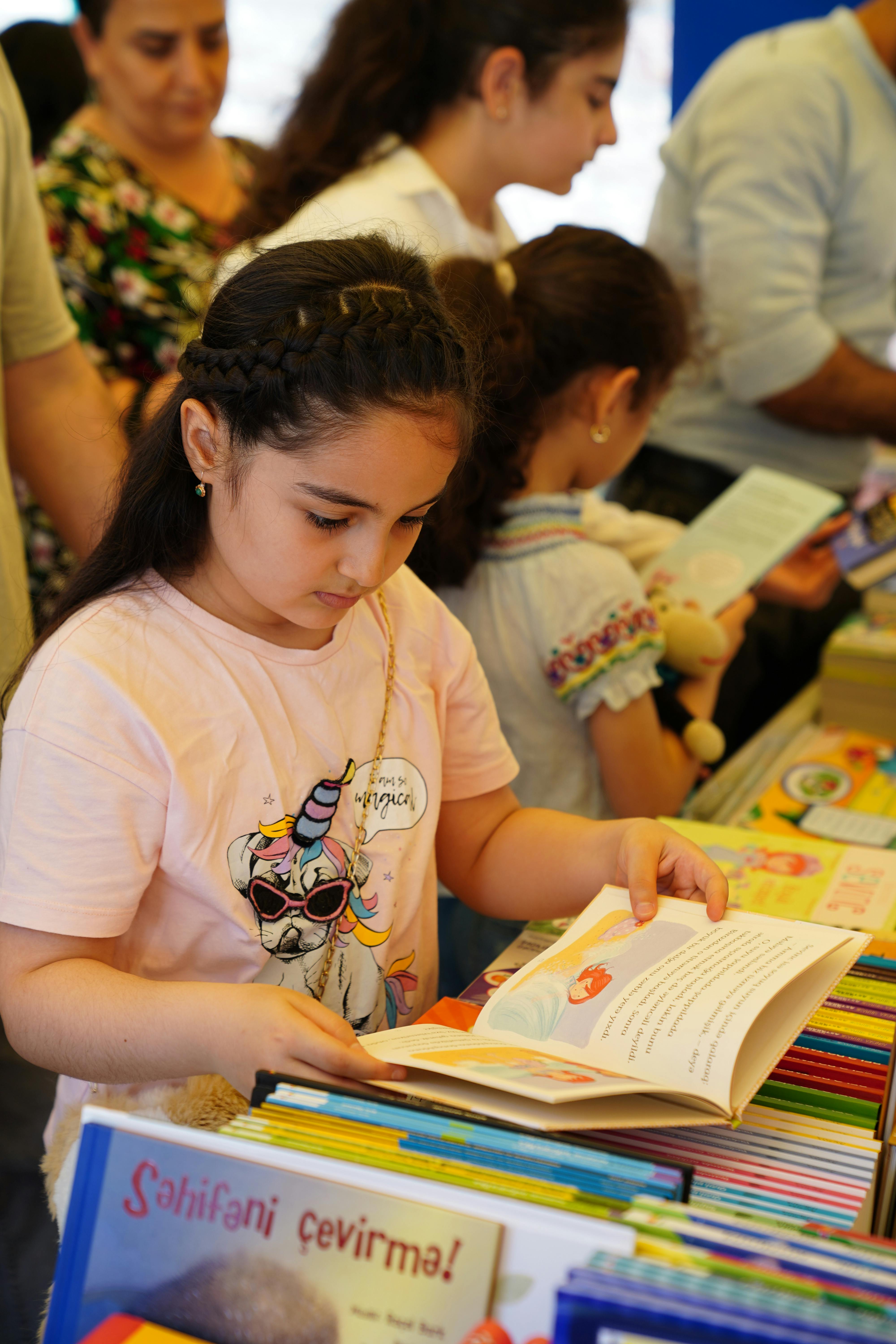
Gap analysis and confidence building for struggling readers.
No rote memorization. Just clear, logical steps.
We teach pure sounds, not just letter names.
Connecting sounds to read words effortlessly.
Breaking words down for accurate spelling.
Controlled text reading for accuracy.
Total Duration: 6 Months (72 Hours) | Live Interactive Sessions
| Batch / Duration | Group 1 (Mon-Wed-Fri) | Group 2 (Tue-Thu-Sat) |
|---|---|---|
| Batch A Jan - June |
Available | Available |
| Batch B Apr - Sep |
Available | Waitlist |
| Batch C July - Dec |
Available | Available |
It is a method of teaching reading by explicitly teaching the relationship between sounds and letters, training children to blend sounds to read.
Yes! Our remedial programmes are designed specifically to rebuild confidence in children who find reading difficult.
We accept children as early as age three, once they have basic listening and speech skills.
Yes, all our sessions are live and interactive, ensuring your child gets personalized attention from home.